Is your goal a sharper jawline, lifted eyelids, or smaller pores with a single round of Botox? Here’s the honest answer: wrinkle relaxers can soften lines driven by muscle movement, but they cannot lift heavy tissue, shrink large fat pads, or replace volume. This article breaks down where cosmetic toxin shines, where it fails, and how to choose smarter combinations so you get the result you actually want.
The promise and the physics
Botox, Dysport, Xeomin, and other cosmetic toxin brands are not skin treatments in the literal sense. They work at the neuromuscular junction, quieting the signals that tell facial muscles to contract. The visible benefit comes indirectly. When you reduce repeated folding of the skin, etched lines can fade and future lines form more slowly. That is why the toxin excels on “dynamic” wrinkles such as glabellar frown lines, crow’s feet, and horizontal forehead lines.
Everything else depends on anatomy. If your concern is caused by fat herniation, stretched ligaments, bone loss, or skin laxity, paralyzing a nearby muscle will not reverse the structural issue. Think of Botox as a dimmer switch for muscles, not a pulley system for sagging tissue or a filler for hollows. That one distinction explains most of the common disappointments.
Uncommon myths, debunked with clinic-floor reality
A surprising number of botox misconceptions start with social media clips or before-and-after photos taken at flattering angles. In the chair, I meet people who arrive with screenshots and a clear vision. The gap between the image and the anatomy matters.
Take the idea of “Botox skin tightening effect.” Toxin does not tighten collagen. A surface glow sometimes follows because smoother muscle activity lets light reflect more evenly from the skin, and because people often combine toxin with skincare. That glow is not proof of stronger skin. If you want true tightening, think energy-based devices or collagen-stimulating procedures, not neurotoxin alone.
Another popular claim: “Botox pore reduction.” Pores do not open or close like doors. They can appear smaller when oil output drops or the surrounding skin stretches less. Microdosing toxin in the T-zone may reduce sebum in some patients, but it is unreliable and can cause unwanted cheek heaviness if placed too low. For acne control, prescription topicals or light-to-mid energy treatments make more sense than leaning on a muscle relaxer.
Finally, “Botox for glow” and the “Botox hydration effect” are marketing phrases. Hydration comes from water content and barrier function, not muscle paralysis. If skin looks more reflective, it is usually a combination of less crinkling and better skincare.
What Botox cannot do, no matter how you inject it
A neat vial and a skilled hand still obey anatomy. Here are fixed limits that technique does not overcome.
Botox will not lift sagging eyelids. Ptosis from stretched levator aponeurosis or excess upper eyelid skin is a surgical problem. Toxin can worsen heavy lids if placed too low in the forehead or if the frontalis support is reduced in someone who already uses that muscle to hold the brows up.
Botox does not debulk fat or fluid. Lower eyelid bags come from protruding orbital fat and lax septum. Botox for lower eyelids can soften fine lines or twitching, but it will not reduce puffy eyes. If anything, it risks worsening festoons if the malar muscles are weakened.
Botox does not fix volume loss. Nasolabial lines reflect midface descent and loss of deep fat. Botox for nasolabial lines rarely helps and can distort the smile if injected near the levator muscles. Fillers, fat grafting, or lifting procedures are the appropriate tools.
Botox cannot sculpt jowls. Jowls form from fat accumulation and ligament laxity along the jawline. Toxin can slim the masseter when the lower face looks bulky from muscle hypertrophy, but it will not correct jowls. For true lifting, compare options like facelift, thread lift, or energy devices, each with trade-offs.
Botox does not “dissolve” like filler. There is no reverse injection. If you dislike the result, your choices include waiting, strategic counter-injections, or supportive measures. That means a careful plan matters more with toxin than with HA fillers, where hyaluronidase can bail you out.
Botox vs surgery, and the gray zone in between
When someone asks about botox vs facelift, they usually want different outcomes in the same breath: smoother skin, lifted cheeks, a sharper jaw, and a refreshed neck. One tool cannot deliver all four. A facelift repositions descended tissues, addresses ligament laxity, and can remove or reposition fat. Botox can make the post-surgery forehead look calmer or the crow’s feet softer, but it is not a lift.

Between those extremes sits the common comparison of botox vs thread lift. Threads can give a short-lived, modest redraping in select patients, usually younger individuals with light laxity. Threads do not replace surgery, and they do not paralyze muscles. They can complement Botox for a momentary refresh, but expect a shorter runway. Patients satisfied with threads tend to prize minimal downtime and accept subtlety.
There is a similar confusion in botox vs filler for forehead. Forehead toxin softens horizontal lines by easing frontalis activity. Forehead filler is altogether riskier due to vascular structures and the potential for serious complications, and it is used sparingly to correct deep static creases or contour deficits in experienced hands. They are not interchangeable. If a patient needs both, we often start with toxin, then reassess after two to four weeks to see what lines persist at rest before deciding on cautious, possibly micro-droplet filler.
Facial balancing has boundaries
Facial balancing and botox contouring dominate trend videos. Some of it is clever, like downregulating pull-down muscles to reveal lifts from stronger elevators. Some of it is wishful thinking. Here is the practical map.
Botox for facial asymmetry can help when asymmetry is muscle-driven. A stronger depressor anguli oris on one side can pull the lip corner down. Small units of toxin can even things out. If the asymmetry comes from bone or fat distribution, toxin cannot align those structures.
Botox smile correction, botox for crooked smile, or botox lip corner lift can be precise micro-adjustments. The risk is obvious: overtreat the smile complex and you get a flat, strange expression. Any injector promising big changes with microdoses around the mouth should explain the risk of speaking or eating changes during the active period.
Botox for marionette lines and botox for jowls land in the same trap. Marionette shadows form from volume loss and tissue descent. Weakening the DAO can let corners drift up at rest, but the effect is subtle and often temporary. It does not erase the fold. Filler or lifting strategies do the structural work.
The lower eyelid and under-eye myth
Botox for sagging eyelids or botox for puffy eyes persists because under-eye lines often improve when the orbicularis oculi relaxes. That improvement is skin wrinkling, not tissue repositioning. Puffiness, which equals fat or fluid, remains. In older patients or those with low tone, the lower lid can look more lax after toxin, since the muscular “cinch” weakens. If your core complaint is bags, pursue a surgical consult or consider filler in the tear trough only if there is a true hollow and good ligament support. Toxin around the lids is adjunctive and should be conservative.
Skin-level hopes: pores, oil, acne, and glow
A handful of clinics offer botox microdosing or the botox sprinkle technique to reduce oil on the nose and cheeks. Results vary. Microdosed toxin placed intradermally can reduce sebum in certain zones, but the effect is modest and not guaranteed. It is not a primary acne therapy. Patients who respond typically report less makeup slippage and fewer midday blotting papers. Those who do not respond simply burned time and budget. For acne or oily skin control, retinoids, spironolactone in select patients, salicylic acid, benzoyl peroxide, and light-based treatments remain the first-line path. Keep your expectations measured if you try botox for oily skin or botox for acne.
On glow and skin health, correct the language. Toxin does not improve barrier function, pigmentation, capillary health, or collagen thickness. If you want true skin renewal injections, think biostimulators or mesotherapy, and even those have narrow benefits. Glossy skin after toxin often reflects a smoother canvas with makeup and less crinkling under overhead lighting.
Staging and timing: how results actually unfold
The first question in a review appointment is usually when botox kicks in. Most people feel early softening at 48 to 72 hours. Strong, peak effect arrives around botox week 2, sometimes week 1 for fast responders. Early on, asymmetries are common because different muscles accept the toxin at different rates. That is why a botox touch-up appointment is best scheduled after the botox waiting period of at least 10 to 14 days, not at botox 24 hours or botox 48 hours.
If injections feel too weak at day 3, wait. If they feel too strong at day 3, also wait. Botulinum toxin is a slow story. A botox review appointment at two weeks allows a measured botox evaluation, then a precise botox adjustment if needed. Many practices encourage staged botox or two step botox for new patients. A botox trial with lower units first, then a controlled refill, reduces the risk of the “frozen botox” look while building a personal dose map.
Sensation, pain, and what the visit feels like
Does botox hurt? Most patients describe a faint sting, then pressure, then nothing. A small ice pack or topical botox numbing cream helps, but careful technique matters more than gadgets. Expect a few quick pinches on the forehead and around the eyes. If you have botox needle fear or botox anxiety, tell your injector. A slower pace, a reclining chair, and a cold tip on the skin reduce the perceived botox sensation. Those who bruise easily can bring a list of medications and supplements. Fish oil, high-dose vitamin E, and certain pain relievers may increase bruising risk.
You might see tiny blebs that settle within minutes. Makeup can usually return after a few hours, provided you avoid pressing or massaging injection points the same day. If we are preventing botox gone wrong, the basic post-care matters. No hot yoga, saunas, or face-down massages for the first 24 hours. Keep your head above your heart for a few hours. These aren’t superstitions. Heat, pressure, and rubbing can alter spread patterns.
Uneven or overdone results and how we fix them
Even in experienced hands, edge cases happen. Brows can sit heavier than you like if the frontalis is over-relaxed or if a patient relies on forehead lifting to compensate for brow ptosis. One subtle rescue is to dial up lateral brow elevation with tiny doses, placed precisely. Conversely, if lateral brows arch too high, a microdose in the tail of the frontalis usually calms the “Spock” look. If the result is botox too strong across the board, time remains the main fix, but we can soften extremes with targeted counter-doses.
Botox uneven is common at the one-week mark because dominant muscles need more time. If it persists at two weeks, a botox correction visit makes sense. Clear documentation of units and points helps map the next steps. Patients sometimes ask about botox dissolve, although not possible. There is no antidote like hyaluronidase. We use strategy and patience, not a reversal enzyme.
Mouth-area treatments require extra caution. If speech feels off or smiling looks asymmetric, it typically settles as the toxin wears. Warm communication matters here. People fear the social impact more than the aesthetic. Planning tiny doses and conservative increments around perioral muscles avoids most of these issues.
Jowls, jawlines, and the masseter trap
Masseter reduction with toxin can be transformative in the right face, particularly if clenching has built muscle bulk. It narrows the lower third, softens a boxy jaw, and can relieve jaw tension. It does not, however, lift jowls. Some patients develop a flatter side cheek and then notice the jowl more, not less, because the masseter shrink reveals the sag. That is not a botox mistake, it is anatomy revealing itself. If jowls are part of the complaint, plan a complementary track such as energy-based tightening, submental fat reduction if indicated, or surgical consultation for those ready for a lasting change.
Forehead strategy: movement without creasing
The forehead is where expectations and anatomy collide. A strong frontalis wants to move. Heavy-handed dosing risks a flat, tired look. Too little, and etched lines persist. The best method for many is staged botox. I will under-treat vertical reach at first, then add small units at the two-week review. This prevents overcorrection and lets you choose how much expression to keep. If you have longer foreheads or eyebrow asymmetry, mapping the frontalis pattern in animation before injections prevents lateral spread into brow depressors, which is a common cause of heaviness.
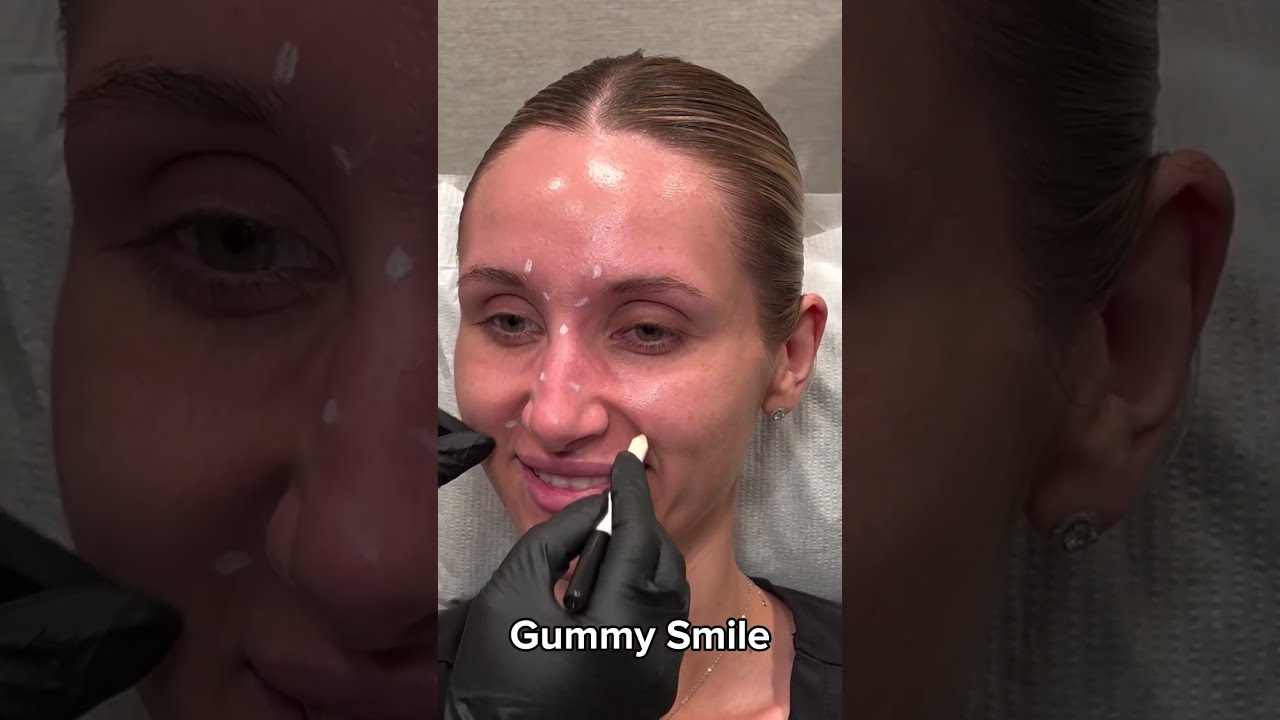
Patients sometimes ask for botox layering or botox feathering to get a diffused, natural look. These are simply patterns of placement and dose. They do not change the pharmacology. What matters is understanding your muscle anatomy and aligning it with your expression goals.
The patience window: living with the timeline
It is tempting to micromanage the first week. My advice is simple. Let your face settle. Photos at botox 24 hours and botox 48 hours show redness and small bumps that have nothing to do with final results. By botox 72 hours, you might feel a pleasant resistance when trying to frown. By botox week 1, most people have balanced softening. By botox week 2, you should see the true effect. Past that, tiny tweaks can balance any residual asymmetry without stacking unnecessary units.
Longevity varies. Most people feel toxin wearing off slowly around the 3 to 4 month mark, earlier in athletes or those with high baseline muscle tone. If your goal is a steady look, plan botox sessions seasonally. If you prefer to test and learn, a botox trial once a year can show you how lines rebound and how strongly you wish to commit.
Social media hype vs clinical outcomes
Botox trending posts collapse many treatments into one caption. A smooth under-eye in a reel might be the result of lower-lid laser, tear trough filler, and a light ring of toxin. A “jawline snatch” could be masseter toxin plus buccal fat removal or a thread lift. Botox most common treatment does not mean universal solution. The right mindset is to define the target change, then pick tools that match the biology.
Botox facts worth remembering: it treats dynamic lines, has no true lifting power, and needs two weeks to show its hand. It is reversible only by time. Maintenance works better than crisis correction. And natural equals precise dosing, not magic placements with cute names.
When to choose something else
If your main complaint is skin laxity, choose a lift or a collagen therapy. If it is under-eye bags or sagging eyelids, talk surgery before toxin. If it is etched static folds like deep nasolabial lines or marionette grooves, filler or fat grafting address the deficit. If it is acne or oil, treat the gland with medical therapies first. If your goal is a youthful look treatment with soft movement and fewer lines, then a wrinkle relaxer fits well as part of a larger plan.
A quick decision checklist for realistic outcomes
- Is your concern primarily movement-driven lines, or is it laxity, volume loss, or fat pads? Do you need lift, or simply less animation? Can you wait two weeks for the full results time, and are you open to a touch-up appointment? Are you comfortable with subtlety first, using a staged botox approach if you are trying botox for the first time? Do you understand that toxin cannot be dissolved, and that correction relies on time and strategic adjustments?
Small details that reduce complications
Bruising happens. Most spots vanish within a week. Smart timing helps. Avoid high-stakes events for 10 to 14 days after your injection. If you bruise easily, ask about cannula options for filler sessions that might pair with toxin, and for toxin itself, accept that a needle is still required. Pre-visit planning reduces risk: disclose supplements, autoimmune conditions, neuromuscular disorders, and past experiences with overdone botox or botox too weak.
During the visit, clear cues prevent botox gone wrong. Raise your brows. Scowl. Smile. Show the exact crease you want quieted. Good photos and videos at baseline create a precise map. After the visit, follow basic botox bruising tips and botox swelling tips: avoid vigorous rubbing, stick to light skincare that evening, and skip heat immersion for a day. If you notice a droopy lid, call early. True lid ptosis is uncommon and often treatable with eyedrops while you wait for the toxin to ease.
When subtlety is the point
A natural result today favors movement with fewer creases. That balance depends on not overcorrecting. Small units placed smartly shape expressions rather than erase them. Most patients prefer to look rested at rest and fully themselves while talking and laughing. That is the logic behind microdosing in expressive zones and saving higher doses for heavy pull-down muscles. The goal is softening, not silence.
Patients who love their toxin have two traits in common. First, they accept what botox cannot do, and they do not force it into jobs better suited for filler, threads, or surgery. Second, they commit to consistent review appointments, which means less drama, fewer surprises, and results that feel tailored rather than templated.
Final perspective: a tool, not a cure-all
Cosmetic toxin is among the most reliable, precise treatments in aesthetics when used for the right targets. The limitations are not flaws, they are physics. If your wish list reads like a facelift, compare botox vs surgery honestly. If you want to erase grooves from volume loss, reach for the right filler with a cautious hand. If you want a smoother forehead treatment and soft eyes without crinkles, stay Raleigh botox Allure Medical with toxin and build a personal dose plan over time.
The most satisfying plans often weave treatments. A light toxin for movement, filler where structure is missing, and skin therapies for texture. Each tool respects the anatomy it changes. That is how you avoid the headline mistakes, the frozen faces, and the unmet expectations that drive the harshest reviews. Choose the right target, pick the right instrument, and give the medicine the time it needs to reveal its best work.